April 24, 2026
Quick Summary Before You Read
- AI is reshaping how deals are sourced, analyzed, and managed
- Data centers are driving major land and industrial demand across Texas
- Investors using AI move faster and make more informed decisions
- Texas is a top market due to power, land availability, and business-friendly policies

Why AI Matters in Commercial Real Estate
Commercial real estate has traditionally been relationship-driven and slow-moving.
That’s changing.
In 2026, AI is accelerating every part of the CRE lifecycle — from identifying opportunities to underwriting deals and managing properties. Investors who adopt these tools are gaining a clear edge in speed, accuracy, and scalability.
In Texas specifically, this shift is even more pronounced due to rapid growth, infrastructure expansion, and increasing demand for land.
1. AI Is Changing How Investors Find Deals
Finding deals used to rely heavily on:
- Broker relationships
- Manual research
- Driving markets
Those still matter — but AI is adding a new layer.
What AI Can Do Now:
- Scan large datasets (county records, ownership data, zoning)
- Identify underutilized or high-potential land
- Flag owners likely to sell
- Track market trends in real time
Result:
Investors can uncover opportunities — including off-market deals — faster than ever.
2. Smarter Deal Analysis and Underwriting

Underwriting used to take hours or even days, especially when gathering comps, reviewing rents, stress-testing assumptions, and trying to make sense of scattered market data. Now, AI tools can process deals in minutes and help investors evaluate opportunities more efficiently.
AI Helps With:
- Rent and pricing analysis
- Comparable property data
- Forecasting returns and risk
- Sensitivity analysis (best/worst case scenarios)
Instead of guessing, investors can make data-backed decisions quickly.
3. Site Selection Is Becoming Data-Driven
One of the biggest impacts of AI in commercial real estate in 2026 is site selection. Instead of relying only on past experience, gut instinct, or broad market trends, investors, developers, and business owners can now use technology to make more informed decisions faster.
AI can evaluate:
- Traffic patterns
- Population growth
- Nearby developments
- Labor availability
- Infrastructure access
This is especially valuable in Texas, where growth corridors are constantly shifting and yesterday’s “outskirts” can quickly become tomorrow’s hotspot. AI helps users look beyond where demand is today and better understand where it is heading next.
Example:
AI can help identify the next high-growth suburb — not just the current one. That can give investors and occupiers a better shot at getting in earlier, making smarter land decisions, and avoiding locations that may look promising on paper but have weaker long-term potential.
4. Property Management Is Getting More Efficient
AI is also improving operations after acquisition. While much of the conversation around AI in commercial real estate focuses on buying, selling, and site selection, the operational side may be where owners see some of the most practical day-to-day value.
Key uses include:
- Predictive maintenance, helping spot issues before they turn into larger repairs
- Tenant behavior analysis
- Lease optimization
- Energy efficiency improvements
This can lead to:
- Lower operating costs
- Better tenant retention
- Higher property value over time
5. Data Centers Are Driving Massive Demand in Texas
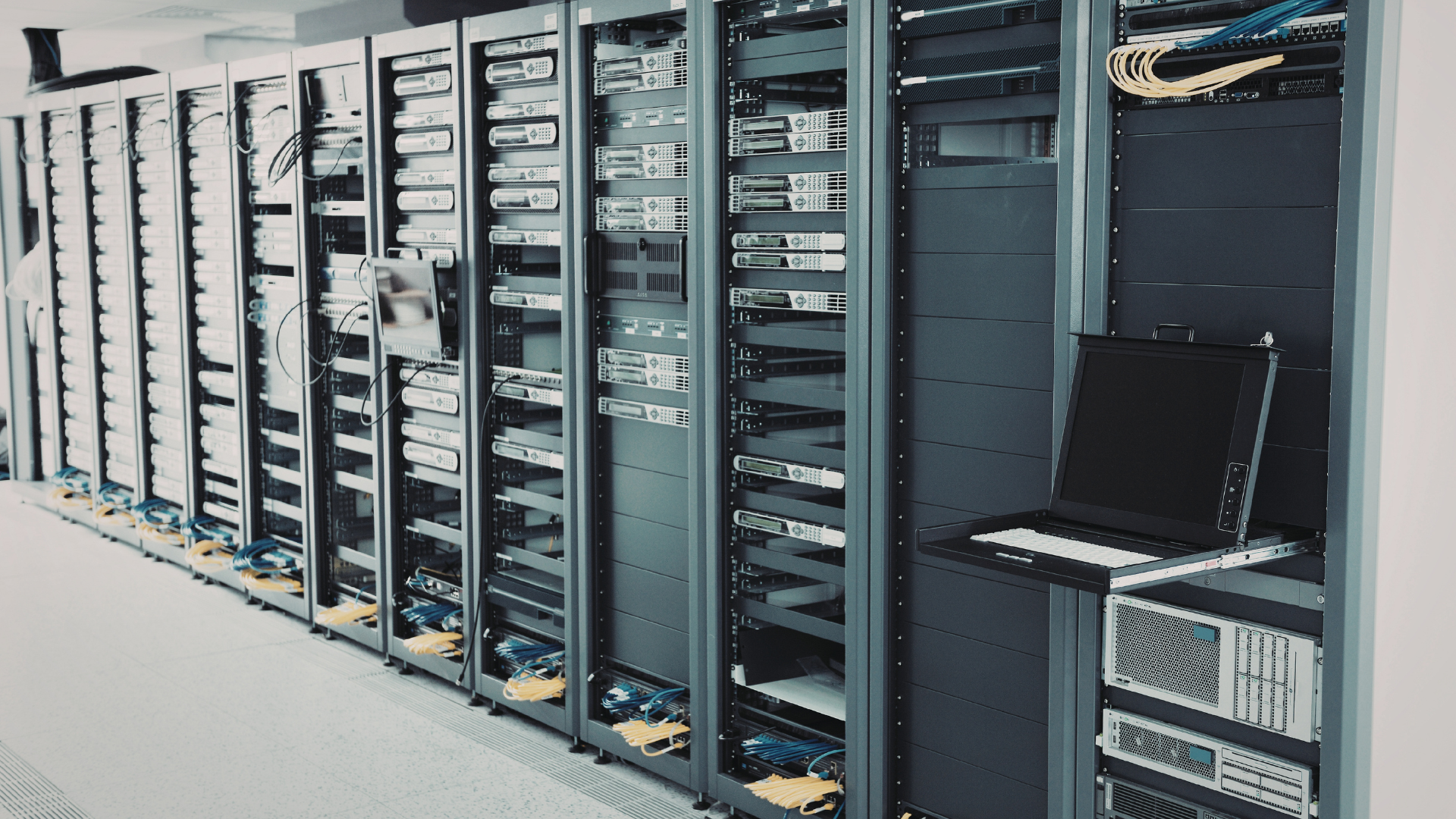
This is where AI and real estate directly intersect. While AI is changing how properties are analyzed, managed, and marketed, it is also creating a very real physical demand on the ground.
AI requires enormous computing power — and that power lives in data centers.
Why Texas Is a Hotspot:
- Abundant land availability
- Strong power infrastructure (ERCOT grid)
- Lower costs compared to coastal markets
- Business-friendly environment
What This Means for CRE:
- Increased demand for industrial land
- Growth in power-intensive developments
- Expansion into secondary and tertiary markets
Data centers are becoming one of the largest drivers of land acquisition in Texas right now.
6. Industrial Real Estate Is Evolving Alongside AI
AI-driven industries like logistics, manufacturing, and tech are reshaping industrial demand across Texas and beyond. As these industries grow and adopt more advanced systems, the buildings that support them are changing too.
Key trends include:
- Larger warehouse footprints
- Higher power requirements
- Proximity to major infrastructure
- Increased automation inside facilities
This means industrial users are not just looking for square footage anymore. They are also paying closer attention to power capacity, site layout, transportation access, and whether a building can support automation, specialized equipment, or future expansion.
For investors, developers, and owners, understanding these shifts matters. Those who see where industrial demand is heading can make better decisions about acquisitions, development strategy, tenant targeting, and long-term portfolio positioning.
7. AI Is Not Replacing Relationships — It’s Enhancing Them

Despite all the technology, commercial real estate is still a people business. Deals still depend on trust, communication, timing, and the ability to understand what is really happening in a market beyond what shows up in the data.
AI does not replace:
- Broker relationships
- Local market knowledge
- Negotiation experience
It enhances them.
The best investors are not choosing between technology and people. They are combining technology + relationships + execution to make smarter decisions and move with more confidence.
AI can help surface patterns, speed up analysis, and improve efficiency, but it still takes experienced professionals to interpret the information, build the right connections, and get deals across the finish line. In other words, technology is becoming a stronger tool — not a substitute for strong commercial real estate relationships.
Common Mistakes to Avoid
1. Ignoring AI completely
You do not need to master every new platform or tool, but you also cannot afford to ignore the broader shift. AI is already influencing how sites are evaluated, how properties are operated, and how investors analyze opportunities. Those who pay attention early will be in a better position than those who wait too long to adapt.
2. Over-relying on technology
Data is powerful, but local insight still matters. AI can help identify trends, compare options, and improve efficiency, but it cannot fully replace real-world market knowledge, broker relationships, or on-the-ground experience. The best decisions usually come from using both technology and human judgment together.
3. Missing the data center trend
This is a major shift in land demand across Texas. As AI adoption grows, so does the need for power, infrastructure, and sites that can support data center development. Investors who overlook this trend may miss one of the biggest real estate ripple effects tied to AI growth.
Final Thoughts
AI in commercial real estate in 2026 is not a future concept — it’s happening now.
In Texas, the combination of:
- Population growth
- Infrastructure expansion
- Data center demand
- Business-friendly policies
is creating a unique environment where technology and real estate are converging quickly.
Investors who adapt early will have a significant advantage — not just in finding deals, but in understanding where the market is going next.
If you’re evaluating opportunities in Texas and want help identifying high-potential sites — especially in growth corridors influenced by AI and infrastructure — working with a team that understands both the market and the data can make a meaningful difference.
REQUEST YOUR CONSULTATION