April 10, 2026

Off-Market Land Deals in Texas
Quick Summary Before You Read
- Off-market land deals = Properties not listed on the MLS, LoopNet, or Lands of Texas.
- The Texas Advantage = Texas is a non-disclosure state, making off-market data harder to find but more valuable.
- The Strategy = Success relies on direct-to-owner outreach and "pocket listings" from specialized land brokers.
What Is an Off-Market Land Deal?
An off-market deal is a property sale that occurs without public advertising. In the industry, these are often called "pocket listings" or "quiet deals."
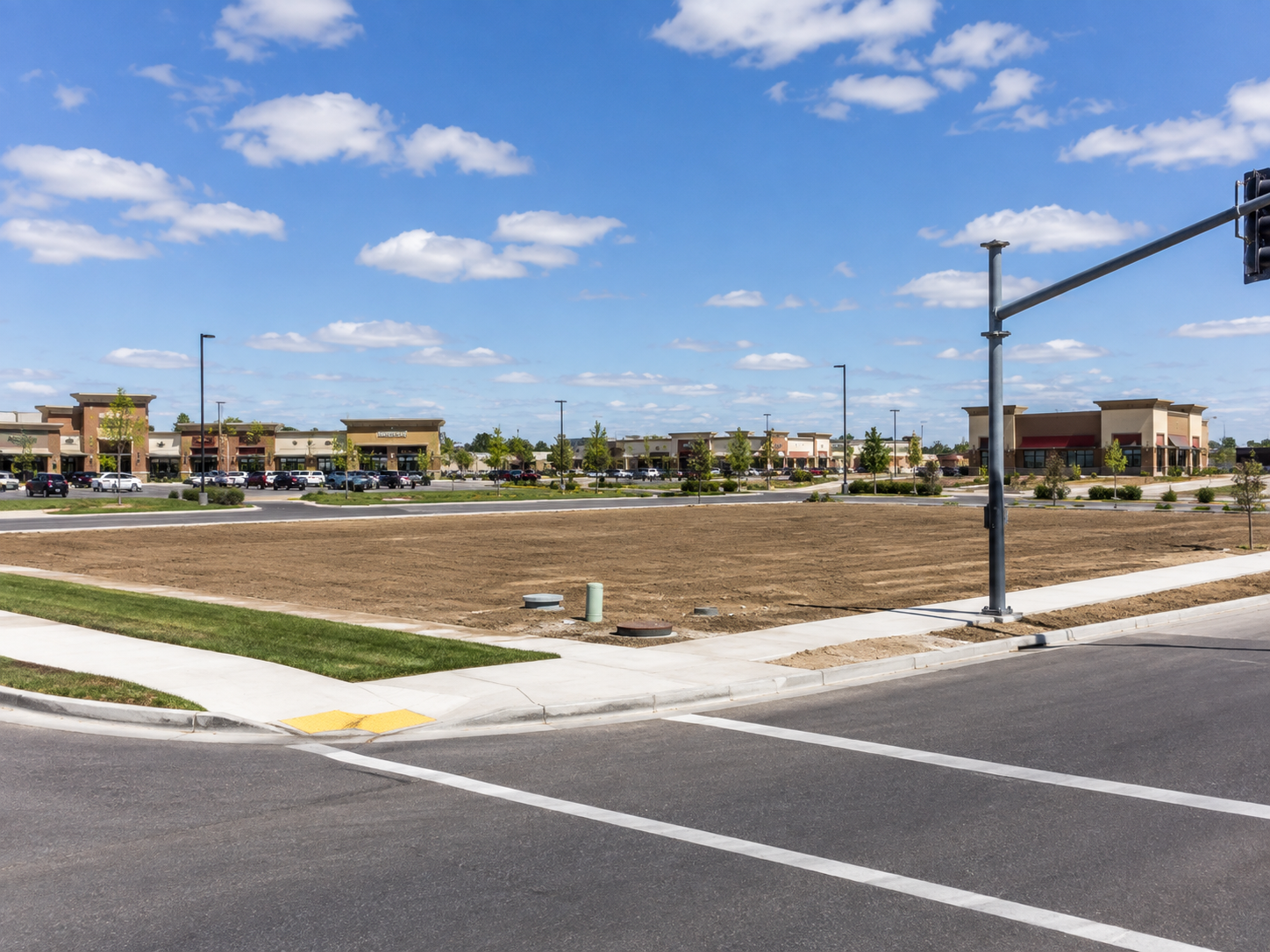
In Texas, these deals are common in high-growth corridors (like the I-35 Austin-San Antonio stretch or the Collin County suburbs) where sellers prefer privacy to avoid a circus of unqualified buyers.
These deals are typically:
- Marketed to a "short list" of proven buyers.
- Sourced through skip-tracing and cold outreach.
- Sold via "Wholesaling" or "Double Closing."
Why Investors Focus on Off-Market Deals in Texas
Texas presents a unique environment for land investors. Because Texas is one of the few non-disclosure states, sales prices are not public record. This makes the "open market" harder to navigate and gives off-market seekers a massive edge.
Key Advantages:
- Lower Acquisition Costs: You avoid the 6%–10% commission fees often baked into listed land prices.
- Privacy: Sellers often want to avoid neighbors or competitors knowing they are liquidating assets.
- Fewer Bidding Wars: You aren't competing with 50 other developers on a "Hot" Zillow listing.

How Investors Actually Find Off-Market Land Deals in Texas
1. Direct-to-Owner (DTO) Marketing
Direct-to-owner (DTO) marketing allows investors to bypass traditional listings by using data tools to identify owners with high equity or long-term ownership, particularly in rural Texas, for private sales. Proactive techniques include:
- Blind Offers: These are "ready-to-sign" purchase agreements mailed directly to the owner. They include a specific cash price based on price-per-acre data. This works well in Texas for owners looking for a "hassle-free" exit without agent fees.
- Letters of Intent (LOIs): These are less aggressive than blind offers. An LOI expresses interest and outlines a price range or terms, inviting the owner to a conversation. This is the preferred method for larger, more complex Texas ranch or development parcels.
- Neutral Texas Branding: Many investors use "neutral" mailers that emphasize a fast close and the buyer paying for the Texas title policy and survey costs, which are significant incentives for rural landowners.
Locating the Decision Makers
Skip tracing enables investors to bypass LLC structures and family trusts to identify the specific Managing Members or Trustees controlling Texas land, often utilizing credit header data and public records to find ownership details. This approach focuses on out-of-state "absentee" owners who are statistically more motivated to sell due to lack of local connection and the burden of property taxes, with multi-channel follow-ups like ringless voicemail and text campaigns ensuring direct contact with the decision-maker.
2. Leveraging Texas County Records
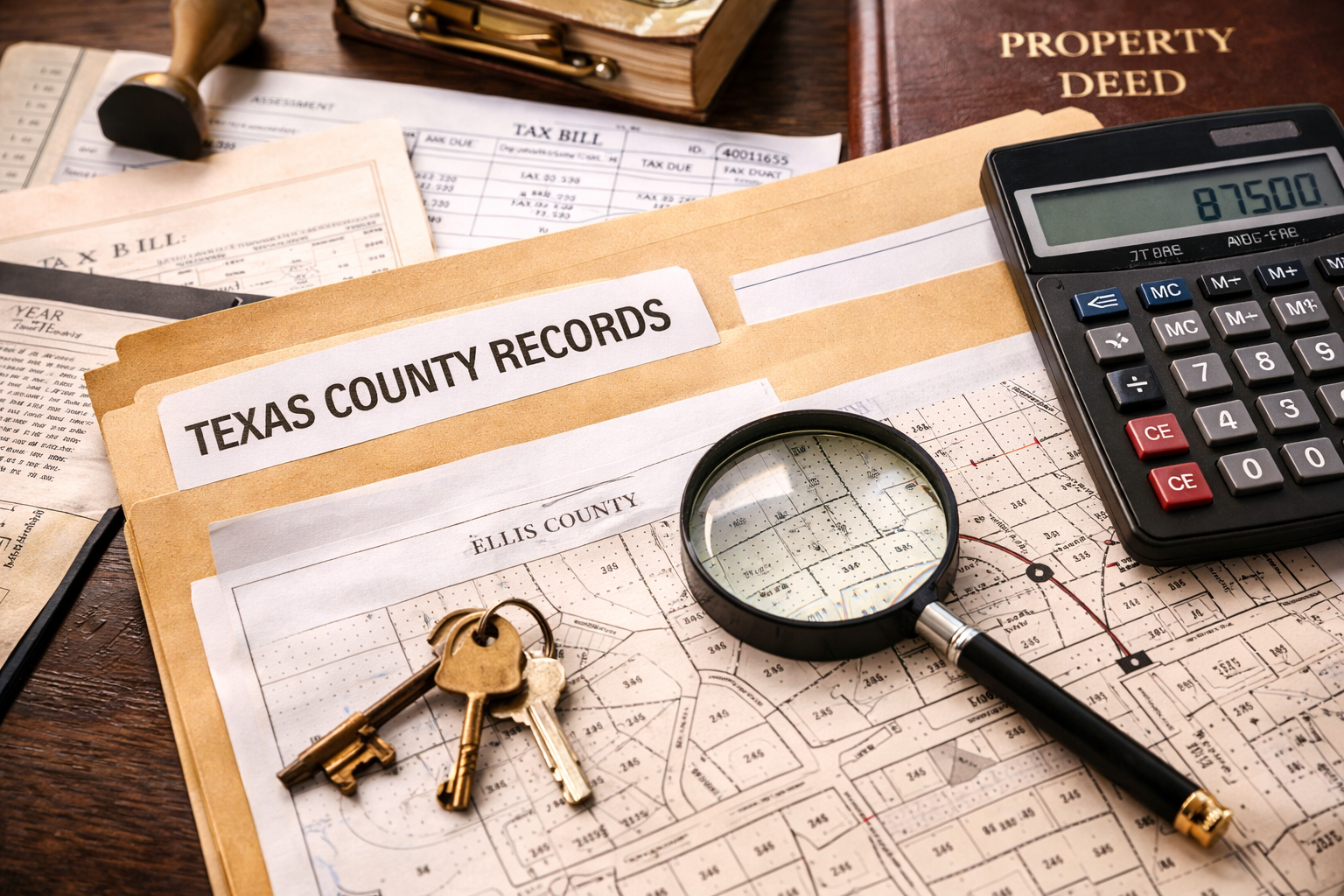
Texas Appraisal Districts (CADs) provide a goldmine of data. Investors look for:
- Delinquent Taxes & Tax Sales: In Texas, property taxes are among the highest in the nation because there is no state income tax. When owners fall behind, the county can initiate a tax foreclosure. Investors monitor "delinquent tax rolls" provided by the County Tax Assessor-Collector to find owners who are motivated to sell quickly to equity-rich buyers before their land hits the
Sheriff’s Sale (usually held the first Tuesday of every month).
- Probate & Heirship Issues: When a landowner passes away without a clear will (intestate), the property often sits vacant while the family decides what to do. Investors search County Clerk probate records for "Letters Testamentary" or "Affidavits of Heirship." Often, heirs living in cities like Dallas or Houston have no desire to manage a rural family tract and are open to off-market cash offers to settle the estate.
- Source: Primary data is found through individual Central Appraisal Districts (CADs) or the Texas Comptroller’s Property Tax Assistance Division, which oversees the state's property tax system and provides a directory of all 254 Texas counties.
3. "Driving for Dollars"
In Texas, this means looking for physical signs of neglect or "For Sale By Owner" (FSBO) signs on rural roads.
- Visual Indicators of Motivation: In Texas, land that isn't being "worked" is often a sign of an owner who has checked out. Investors look for overgrown mesquite or cedar brush, which can quickly devalue grazing land if not managed. Dilapidated perimeter fencing is another major tell; in a state where livestock containment is a legal and cultural priority, failing fences often signal that the owner no longer has the capital or interest to maintain the property’s Ag-Exemption status. Abandoned agricultural equipment—like rusted tractors or old round balers left in a field—suggests the transition from an active family farm to a stagnant asset ready for a buyout.
- Mobile Mapping and Ownership Tools: Modern "driving for dollars" is powered by GPS-integrated apps like LandId (formerly MapRight) or Regrid. These tools allow investors to stand at a fence line and instantly pull up a digital "parcel card" that shows exact property boundaries, the owner’s mailing address, and the legal description. Because many Texas tracts are irregularly shaped ("metes and bounds"), these apps are essential for identifying whether a vacant strip of land is its own parcel or part of a larger ranch, allowing for immediate, on-site skip tracing and outreach.
4. Pocket Listings from Land Brokers
In the Texas land market, many high-value transactions never appear on public sites like Land.com or Zillow. This is where specialized land brokers and "pocket listings" become essential.
- The Accredited Land Consultant (ALC) Edge: Not all real estate agents understand the complexities of rural land, such as mineral rights, water access, or soil types. Investors look for brokers with the ALC designation from the REALTORS® Land Institute. These professionals are part of an elite network where high-quality tracts are often traded privately among trusted colleagues before they ever hit the open market.
- The "Quiet Sale" Motivation: Many Texas landowners—especially multi-generational ranching families—value privacy above all else. They may instruct their broker to find a buyer quietly to avoid local gossip, keep their asking price confidential, or prevent a "parade of looky-loos" from driving onto their property. These sellers often prioritize a discreet, professional closing over the highest possible bid from an unknown public buyer.
- The "Buyer's List" Advantage: Specialized land brokers maintain "pocket lists" of vetted investors. When a new property comes across their desk, they call these buyers first. To get on these lists, you must demonstrate you are a "performer"—meaning you have the proof of funds or the specialized land financing (such as through a Farm Credit bank) ready to go.
What Makes Texas Unique for Off-Market Deals?
- Right-to-Farm & Open Space: Texas has favorable Ag-Exemptions (1-d-1 appraisals). Investors look for land that is losing its exemption status, as the sudden tax hike often forces a sale.
- Mineral Rights: In Texas, the "severance" of mineral rights is common. An off-market deal might involve buying the surface rights while the seller retains the minerals.
- No Zoning in Unincorporated Areas: Unlike other states, much of Texas land (outside city limits) has no zoning. This makes off-market "raw land" highly flexible for developers.
Common Mistakes to Avoid
- Neglecting Due Diligence: Off-market doesn't mean "no rules." Always check for floodplains (via FEMA maps) and easements.
- Ignoring Title Insurance: Never buy land "on a handshake." Always use a Texas title company to ensure the title is "marketable."
- Valuation Errors: Since Texas is a non-disclosure state, finding "comps" (comparable sales) is hard. Use a professional land appraisal or a broker's opinion of value (BPO).
Final Thoughts
The best land deals in the Lone Star State are earned, not found on a search engine. By combining data-driven outreach with local networking, you can secure acreage at prices the general public will never see.
Finding these hidden gems requires more than just a laptop; it requires an experienced partner who understands the nuances of the Texas market—from unlisted "pocket" tracts to complex industrial site selections.
Don't wait for the best deals to hit the open market. Partner with a team that has the local relationships and technical expertise to secure off-market assets before your competitors even know they exist.
- Get Expert Guidance: Work with the specialists at Commercial Industrial Properties (CIP) to navigate the buying process.
- Identify Target Sites: Leverage CIP’s Land Advisory Services to find high-growth parcels in Austin, Central Texas, and beyond.
- Move with Confidence: From due diligence to closing, partnering with CIP ensures you have a guide through the wild world of Texas real estate.

REQUEST YOUR CONSULTATION